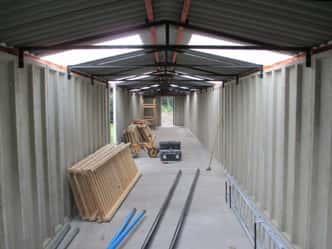
You do not necessarily need a full garage conversion to make the space more useful. A thorough clean, better storage, suitable lighting and a few carefully chosen improvements can change how the garage looks and feels without requiring a large budget.
Before buying materials or equipment, decide how you want to use the space. A garage workshop will have different requirements from a home gym, hobby room or organised storage area.
Set a Realistic Budget
Start by separating essential work from optional improvements. Repairs to the roof, floor, doors or electrics should take priority over decorating and new furniture.
Measure the available space and list what you already own. Reusing shelving, workbenches and storage containers can leave more of your budget for improvements that will make a noticeable difference.
Clear Out the Clutter
Remove everything you no longer use before planning the new layout. Items in good condition can be sold, donated or moved elsewhere, while unwanted paint, chemicals and electrical equipment should be disposed of responsibly.
Keep the main walkway and access to doors clear. These garage storage ideas can help you make better use of walls and floor space without overcrowding the room.
Give the Garage a Thorough Clean
Once the space is clear, remove cobwebs and dust from the walls, roof supports, windows and shelving. Vacuuming is usually more effective than sweeping, which can simply move fine dust around the garage.
Clean the floor using products suitable for its surface, paying particular attention to oil, mud and other spills. Avoid washing oil, chemicals or wet concrete into drains.
Deal With Damp and Damage First
Painting over a leak or damp patch will only hide the problem temporarily. Before decorating, check for damaged roof sheets, blocked guttering, deteriorated seals, floor cracks and water entering beneath the door.
Minor cosmetic marks may be easy to address, but persistent leaks or damaged garage components should be properly assessed. Dencroft provides a range of garage repair and refurbishment services, including work on roofs, doors, windows, fascias and guttering.
Freshen Up the Walls and Floor
A fresh coat of paint can make a garage feel cleaner and brighter. Choose a product designed for the material being painted, whether that is concrete, masonry, timber or metal, and prepare the surface according to the manufacturer’s instructions.
Garage floors need a coating suitable for concrete and the expected use of the space. If vehicles will still be parked inside, check that the finish can withstand tyres, oil and regular wear.
Allow the walls and floor to dry fully before painting, and ventilate the garage while applying paint or other coatings.
Improve the Storage
Affordable shelving, pegboards and labelled containers can make a significant difference. Store frequently used tools where they are easy to reach, with seasonal items placed higher up or towards the back.
Heavy objects should remain at a low level, while tools and chemicals need to be secured away from children and pets. Make sure wall-mounted storage is suitable for the wall construction and the weight it will carry.
Add Better Lighting
Good lighting can make the garage safer and more comfortable to use. Battery-powered or rechargeable lights may be suitable for occasional use, while LED fittings can provide clearer, more even lighting for workshops and hobby areas.
Any new fixed wiring, sockets or lighting should be installed by someone with the necessary electrical knowledge and competence. Avoid running extension leads across walkways or connecting several extensions together.
Make the Space More Comfortable
If you regularly spend time in the garage, reducing draughts and improving insulation may be more effective than relying on a powerful heater. Walls, roofs, floors, doors and windows can all affect how quickly the space loses heat.
Our guide to garage insulation explains the main areas to consider. Do not block existing ventilation, particularly if the garage is still used for parking or storing equipment.
Portable electric heaters should be kept away from cardboard, paint, fuel and other combustible materials. Never leave a heater running unattended, and do not use barbecues or fuel-burning equipment inside a garage.
Choose a Practical New Use
Once the garage is clean, organised and properly maintained, it can support a range of activities. Affordable options include:
- A practical DIY or craft workspace
- An exercise area using portable equipment
- An organised storage room
- A hobby or games area
- An occasional home working space
Plan around the garage’s existing conditions. Exercise equipment may require impact-resistant flooring, while a workbench needs suitable lighting and securely positioned sockets. Avoid trying to fit too many uses into a limited space.
Know When a Simple Update Becomes a Conversion
Cleaning, painting and adding freestanding furniture are different from converting a garage into permanent habitable accommodation. Work involving insulation, fixed heating, new walls, drainage, structural alterations or extensive electrical installation may need professional design and approval.
Building regulations approval will normally be required when converting a garage into habitable space. Planning permission may also be needed in some circumstances, so check with your local planning authority and building control team before starting substantial work.
If your existing garage needs repairing before you improve the interior, or you are considering a new concrete garage designed around your requirements, contact Dencroft Garages for practical advice.