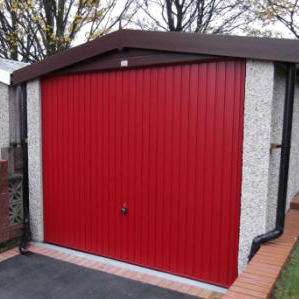
A garage is useful for parking, storage and practical projects, but tools, chemicals, electrical equipment and moving doors can all create hazards. A few sensible precautions will help protect your family, your belongings and the garage itself.
1. Keep Walkways and Exits Clear
Boxes, tools and garden equipment should never obstruct doors or the route through the garage. Keep frequently used items within easy reach and avoid leaving cables or loose objects across the floor.
Keeping the space clean also helps reveal leaks and damage that might otherwise go unnoticed. See the benefits of keeping your garage clean.
Wall-mounted storage, secure cabinets and clearly labelled containers can make better use of the available space. These garage storage ideas can help you create a tidier and safer layout.
2. Store Tools, Chemicals and Fuel Safely
Return tools to a secure shelf, cabinet or rack after use. Sharp tools should have their guards fitted, while heavy items are best stored at a low level so they cannot fall.
Paint, cleaning products, antifreeze and other chemicals should remain in their original, clearly labelled containers. Keep them upright in a locked cabinet and away from children, pets, heat and sources of ignition. Never transfer chemicals or fuel into food or drink containers.
If you store petrol for garden machinery or other equipment, use a suitable container designed for fuel and follow current storage and quantity rules.
3. Clean Up Spills Promptly
Water, oil, paint and coolant can make a garage floor dangerously slippery. Deal with spills promptly, following the product manufacturer’s instructions and using suitable protective equipment where necessary.
Do not wash oil, chemicals or wet concrete into drains. If water repeatedly enters the garage, check the roof, door seals, guttering and drainage rather than treating each puddle as an isolated problem.
4. Check Lighting and Electrical Equipment
Good lighting makes tools, steps and floor hazards easier to see. Replace failed bulbs promptly and arrange for damaged fittings, sockets or switches to be inspected by a qualified electrician.
Avoid overloading sockets or connecting several extension leads together. Cable reels should be suitable for the equipment being used and fully unwound when required by the manufacturer’s instructions. Outdoor or garage circuits should also have appropriate residual current device protection.
5. Charge Batteries With Care
Power tools, e-bikes, mobility equipment and other rechargeable devices require careful charging. Use the charger supplied or approved by the manufacturer and place the battery on a stable, hard surface away from combustible materials and exit routes.
Allow a battery to cool before charging, unplug it when charging is complete and avoid leaving it charging unattended or overnight. Stop using a battery if it becomes unusually hot, swollen, damaged or starts producing an unusual smell or noise.
6. Reduce Fire and Carbon Monoxide Risks
Keep aerosols, fuel, paint and cardboard away from heaters, sparks and naked flames. Never use a barbecue, generator or other fuel-burning appliance inside a garage.
Do not leave a vehicle engine running in the garage, even with the main door open. Carbon monoxide is colourless and odourless, and dangerous levels can build up quickly. Move the vehicle outside before allowing it to idle.
The most suitable fire detection will depend on the garage, its contents and whether it is attached to the house. Your local fire and rescue service or a competent installer can advise whether a smoke alarm, heat alarm or interlinked system is appropriate.
7. Use the Garage Door Safely
Keep people, pets and objects clear whenever the garage door is moving. Wait until it is fully open before walking or driving underneath it, and securely close it when the garage is unattended.
Automatic doors should have their safety features checked in accordance with the manufacturer’s instructions. Keep remote controls away from children and never attempt to adjust springs, lifting cables or tracks yourself. These components can remain under considerable tension.
If your current door is damaged or difficult to operate, explore the available garage door options rather than continuing to use an unsafe mechanism.
8. Protect Children and Pets
Children should be supervised in a garage, particularly where tools, ladders, chemicals or vehicles are stored. Lock hazardous products away and keep garage door controls out of reach.
Secure tall shelving to prevent it from tipping and avoid placing heavy objects overhead. Check that stored items cannot fall if a shelf or box is knocked accidentally.
9. Inspect the Garage Regularly
Look around the garage periodically for cracks, loose fixings, damaged roof sheets, leaks, blocked guttering and deterioration around doors or windows. Inspect the roof from ground level and do not climb onto a garage unless you have suitable access equipment and experience.
Older roof sheets may contain asbestos. Do not drill, cut, sand or otherwise disturb any material you suspect contains asbestos. Arrange for it to be assessed by an appropriately trained professional.
10. Arrange Professional Repairs When Needed
Some minor maintenance can be carried out safely, but structural damage, faulty electrics and garage door mechanism problems require suitable professional attention. Warning signs include:
- A door that moves unevenly, drops unexpectedly or makes unusual noises
- Broken springs, snapped cables or distorted tracks
- Persistent roof leaks or damaged roof sheets
- Loose panels, severe cracking or crumbling concrete
- Burn marks, overheating or crackling sounds around electrical fittings
Dencroft provides garage repair and refurbishment services, including roof, door, window, fascia and guttering work. If you have noticed damage or are unsure whether your garage is safe to use, contact the Dencroft team to discuss the problem and arrange suitable advice.